Fotor AI Clothes Remover: Compare a Covered Swimwear Preview
Searching Fotor AI clothes remover? Compare a covered swimwear preview safely, review the result, and keep real fit and product facts separate.
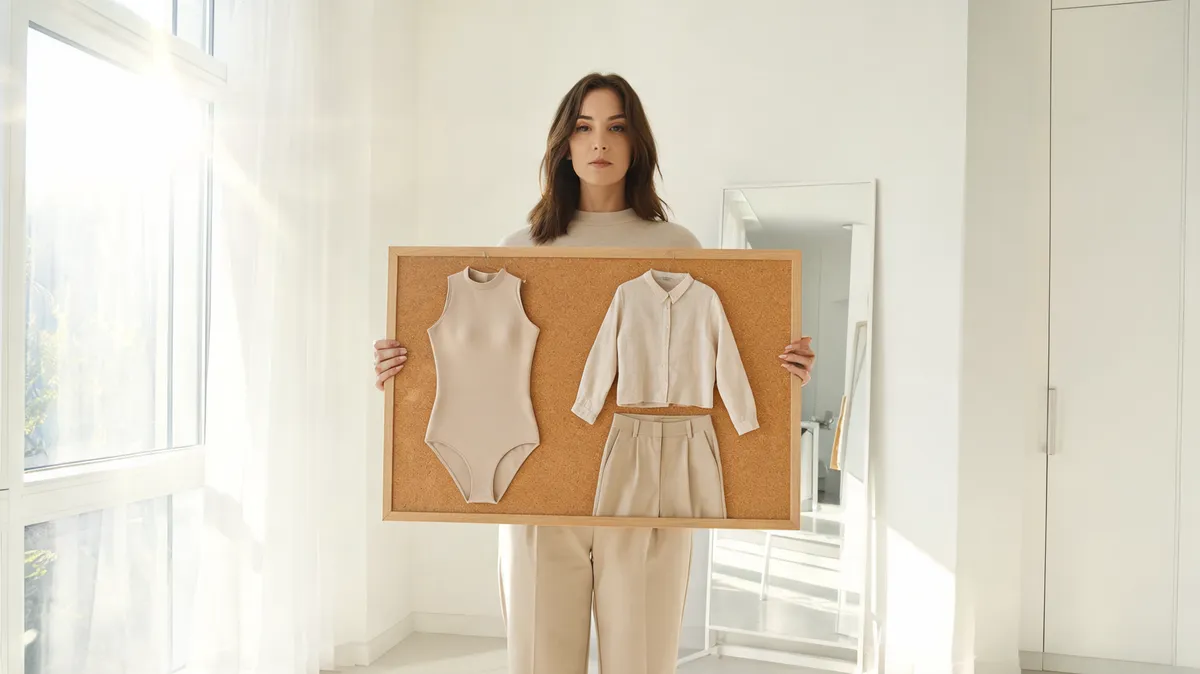
A “Fotor AI clothes remover” search is best handled as a covered outfit-replacement request: use a clear adult photo to preview a swimsuit, sportswear, or another clothed look, then judge the result as a styling mockup—not evidence of fit or a real product. Fotor’s current photo-editor material describes AI Replace as a prompt-based object-replacement tool. A focused AI clothes changer gives you another way to run the same restrained, consent-based comparison.
Last updated: September 29, 2026 · about 7 min read
The phrase “clothes remover” can imply several different things. For a responsible photo workflow, the useful question is narrower: can you replace a visible everyday outfit with a modest, covered swimwear direction while keeping the person and scene recognizable? That is an outfit-preview task. It is not a request to make a person appear unclothed, and it is not a claim about their body or a product.
We checked Fotor’s public AI photo editor on September 29, 2026. Its current page describes brushing an area and using a text prompt to add or replace an object. Interfaces, account conditions, and output quality can change, so treat that source as a starting point and confirm the live workflow before uploading a meaningful image.
What this query can safely mean
Use a covered-swap request only with an authorized adult image. Keep the request specific about the new garment and the boundaries that must remain stable: person, face, pose, hands, background, and lighting. A simple one-piece swimsuit, rash guard, swim shorts, or activewear set is easier to review honestly than a vague request that changes the whole scene.
| Your goal | A sensible request | What the preview cannot establish |
|---|---|---|
| Compare coverage | “Replace the visible outfit with a navy one-piece swimsuit; keep the person and background.” | Actual coverage on a real body, support, or comfort |
| Compare a color direction | “Use a deep green rash guard and matching shorts; retain the original lighting.” | Retail dye lot, screen accuracy, or availability |
| Plan a holiday outfit | “Show a modest swimwear look with the same pose and face.” | Whether the item fits, is in stock, or suits a particular activity |
| Create a product asset | Stop at a draft and verify with approved photography. | Fabric, construction, logo placement, or merchandising facts |
A polished preview is still a generated image. If it changes the person, the garment boundaries, or the scene in a misleading way, reject it instead of treating it as a minor cosmetic flaw.
Run a controlled covered-swap test
Start with a low-stakes image you have permission to edit. A good test uses an adult person in ordinary, fully visible clothing, even light, and a clear view of the torso. Do not start with a sensitive portrait, a child’s photo, or the only copy of an important image.
- Choose one clean source photo. Use a sharp, front-facing or three-quarter image with arms, hair, bags, and furniture away from the clothing edges where possible. Save the original alongside the output.
- Name one covered target look. Specify the garment type, color, and coverage. For example: “Replace the top layer with a cobalt one-piece swimsuit; keep the face, hands, body proportions, pose, and background unchanged.” Do not also ask for a new location, hairstyle, pose, or body change.
- Inspect before you keep it. Compare the original and result at full size. Check the neckline, straps, side seams, hems, hands, hair, shadows, and background. Change one variable only if you repeat the test.
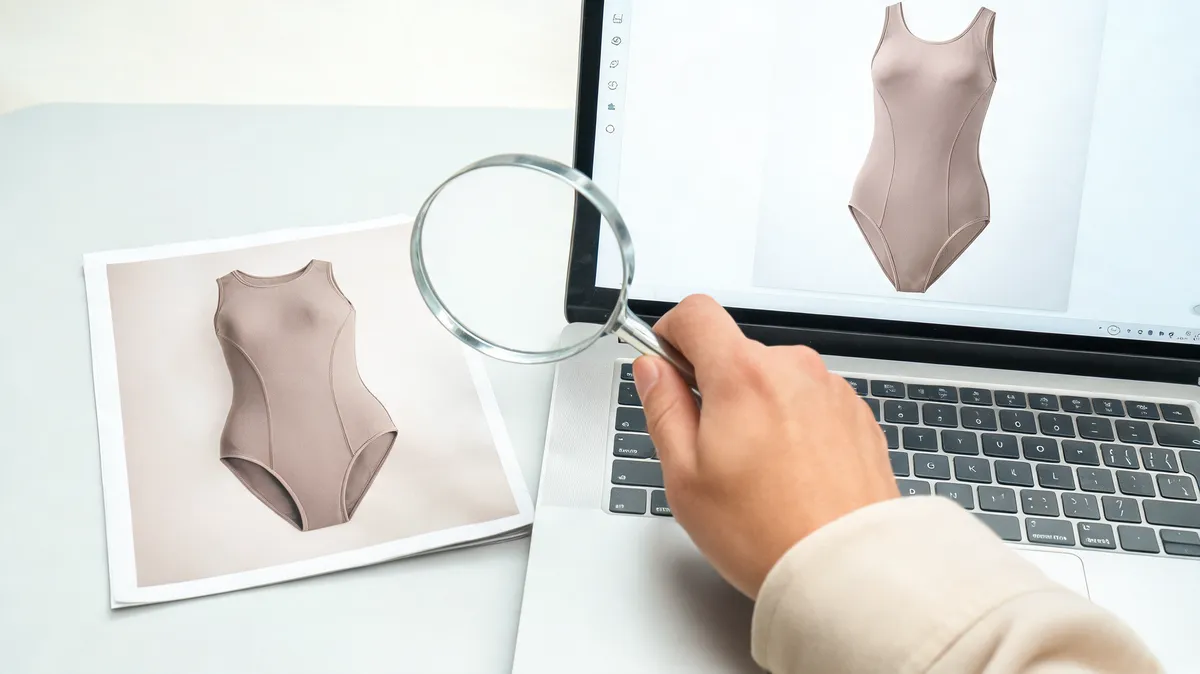
Editorial illustration of a review workflow, not a claimed Fotor output or a guarantee about a real garment.
The AI clothes remover page at AIClothSwap is explicitly framed as an adult, covered outfit-to-swimwear or outfit-to-outfit change. It can be a practical route when the desired preview is a modest swimsuit or a different everyday look. If you have a specific garment photo and want to compare it rather than generate a generic direction, use virtual try-on with that reference instead.
What to check in the output
The thumbnail is not enough. Look first at places where clothing meets the existing image: collar or straps against skin, hair against the shoulder, sleeves around hands, and the hem against legs or background. The new garment should follow the source light and body position without flattening the person into a different pose.
Use this short review sequence:
- Identity: The face, hairline, expression, and apparent body proportions should remain recognizably tied to the source.
- Garment construction: Straps, necklines, seams, closures, and hems should connect plausibly. Do not ignore a floating edge just because the central panel looks neat.
- Scene continuity: Shadows, background objects, and skin boundaries should not be rewritten as part of the clothing change.
- Claim boundary: A generated look cannot certify an exact size, textile, product listing, price, stock position, or real-world color.
For a broader diagnostic checklist, see why AI clothes swaps look fake. For a color-only question where the garment should otherwise stay the same, a clothes color changer is a better-controlled workflow.
A verified Fotor walkthrough, with a limit
Fotor’s 77-second video, “AI Clothes Changer - Try New Look with Fotor AI Replace Tool (Updated),” is embedded because DataForSEO verified it as relevant to this exact query, embeddable, and at 11,252 views on September 29, 2026. It demonstrates a clothing-replacement workflow. It does not verify what a real item will look or feel like, and it does not override the consent and review limits above.
Consent, privacy, and publishing limits
Only upload a photo you have the right to use and make an adult, covered clothing preview with the subject’s consent. Before using any editor for client work, revisit its current terms and privacy information for upload handling, retention, deletion, output rights, and account requirements. Keep the original source file and authorization outside the editing service.
For a store, campaign, or public post, label the result internally as a concept until someone compares it against the actual approved garment and source photography. A visual mockup can help narrow choices; it should not become a factual product claim by accident. Read the AIClothSwap Content Policy before using this kind of output in a commercial workflow.
Frequently asked questions
Does Fotor AI clothes remover remove clothing from a person?
The useful, responsible interpretation is a covered outfit replacement: change a visible outer outfit into a swimsuit, sportswear, or another clothed look. Do not use a generated image to imply that a person is unclothed or to make an intimate edit without clear consent.
Can a covered AI swimwear preview tell me whether a swimsuit will fit?
No. It can help compare broad color, coverage, and silhouette on a photo, but it cannot confirm measurements, support, fabric stretch, lining, a retailer’s sizing, or how the real swimsuit will feel in motion.
What should I inspect after an AI outfit replacement?
Compare the face, hair, hands, neckline, straps, seams, hems, shadows, and background against the original. Reject an output if the person, garment construction, or scene changes in a way that could mislead someone.
Related guides
- Try the free AI clothes changer →
- Adult covered swimwear and outfit preview
- Virtual try-on for a specific garment reference
- Why AI clothes swaps look fake
- Is an AI clothes changer safe?
Keep the comparison useful
Use a covered outfit preview to compare one visual direction, then make the real buying or publishing decision from the actual garment and approved product information. Try an authorized clothing preview →.