
What to Wear to a Wake: A Practical Outfit Checklist
Decide what to wear to a wake with a checklist for family requests, venue, weather, and comfortable outfits you already own.
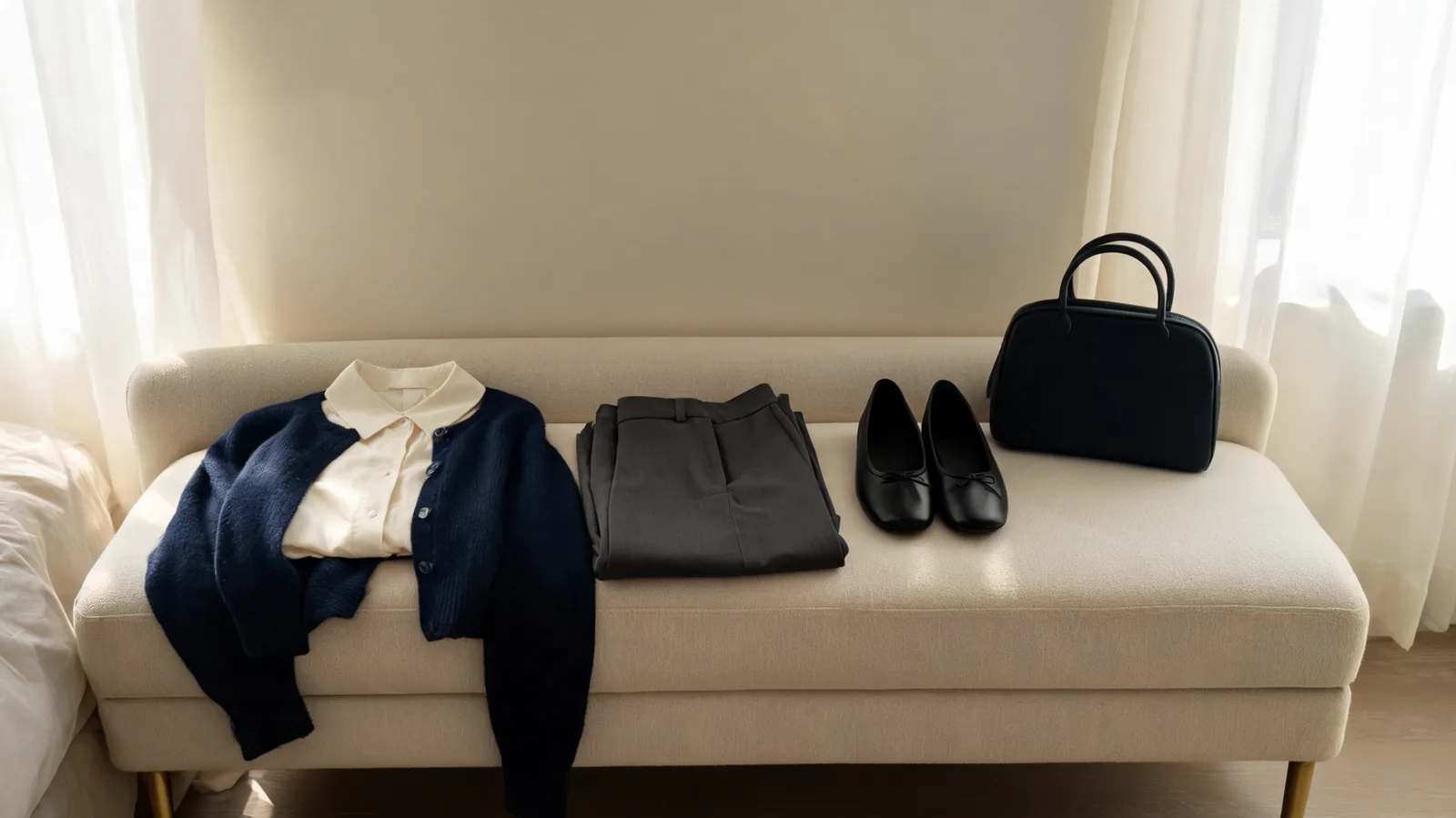
Wear clean, understated clothes to a wake: tailored trousers with a shirt or knit, or a simple dress with comfortable shoes. Follow any family dress instructions first. You can compare combinations with an AI clothes changer, but choose your actual outfit for the venue, weather, and how it feels to wear.
Last updated: October 3, 2026 · About 8 min read
If you are getting ready at short notice, start with clothes you already own. A familiar outfit that lets you sit, stand, and greet people comfortably is more useful than a rushed purchase. The aim is to attend respectfully and support the family, rather than put together a perfect formal look.
What should you check before choosing an outfit?
Read the invitation, obituary notice, or message from the person who invited you. Look for a requested color, a religious service, more than one venue, or wording such as “casual dress” or “celebration of life.” A specific request matters more than a general outfit rule.
The word wake does not identify one identical event everywhere. In some communities it means a visitation before a funeral; in others it describes the gathering afterward. Co-op Funeralcare's guide to organising a wake describes gatherings in venues including church halls, hotels, and social clubs. Check what you are actually attending before deciding how formal to dress.
If the notice is unclear, ask the funeral home or the person coordinating attendance a short, practical question: “Is there a dress request for the wake?” You do not need to ask a grieving relative to approve a photograph of your outfit.
A family request for a favorite color, a team shirt, or informal clothing takes priority over generic advice about wearing black.
How do you choose a wake outfit in three steps?
- Choose a quiet starting outfit. Try trousers and a plain shirt, a skirt and knit, or a simple dress. Use pieces that fit comfortably and look tidy without constant adjustment.
- Match the setting. Add a jacket or cardigan for a formal venue, a religious service, or a chilly room. Check whether you will walk outside, travel between locations, or stand for a while.
- Do a real wearing check. Sit down, reach forward, and walk in the shoes. Inspect stains, creases, fastenings, and whether a coat or bag is awkward to carry.
You can stop here if the outfit feels appropriate. There is no need to buy a black suit, new shoes, or matching accessories solely because you are attending a wake.
How formal should the clothes be?
Use this table as a starting point when the family has not specified clothing. It is a planning aid, not a rule for every culture or service.
| Setting or instruction | Useful starting outfit | What to check |
|---|---|---|
| Funeral-home visitation with no stated dress code | Dark trousers, a plain shirt or knit, clean shoes | Whether a prayer service or formal ceremony is included |
| Wake immediately after a funeral service | The outfit appropriate for the service | Weather and travel between locations |
| Gathering at a home | Neat, comfortable separates | Host instructions and whether shoes are removed |
| Religious venue | Understated clothes with a removable layer | Any specific covering or footwear requirements |
| Requested favorite color | A simple outfit that includes that color | Whether the request applies to the whole outfit or one item |
| Explicitly casual celebration | Clean everyday clothes suited to the venue | Whether casual includes sportswear or denim |
A pub, hotel, or club venue does not automatically make the event a party. Keep the purpose of the gathering in mind when choosing shoes, jewelry, and layers. Likewise, a home gathering can still have a formal or religious expectation.
Do you have to wear black to a wake?
Black is a familiar choice for many Western mourning settings, but it is not the only possible option. Navy, charcoal, and other subdued shades can make practical combinations when there is no specific request. A light shirt under a dark jacket is also a useful way to work with clothes already in your wardrobe.
Co-op Funeralcare's clothing guidance emphasizes respecting family wishes and asking when the dress code is uncertain. That is a better basis for a decision than assuming every wake needs an entirely black outfit.
Keep this advice in context: mourning colors and customs vary. Do not assume that one country's convention applies to the family you are visiting. If the invitation mentions a tradition you do not know, ask the organizer or venue for the specific expectation.
For a conventional dark outfit, compare texture as well as color. A plain navy sweater with charcoal trousers may look quieter than a shiny black party dress. Small patterns can be unobtrusive, while large slogans and prominent graphics can draw attention.
Which outfits work with trousers, skirts, or dresses?
Choose the clothes that suit your wardrobe and comfort rather than feeling obliged to dress according to a gendered formula. These combinations are suggestions you can adapt.
Trousers and a shirt or knit
Start with clean tailored trousers and a plain button-down shirt, blouse, or fine knit. Add a cardigan or blazer if you own one. A navy or charcoal base makes it easier to use a light top without the whole outfit feeling bright.
Check the waistband while seated and whether the shirt pulls across the shoulders. If you will be arriving directly from work, a tidy work outfit may already be suitable. Remove conspicuous work badges when appropriate and bring a clean layer if your work clothes are marked or worn.
A simple dress or skirt
A plain dress or skirt with an understated top can be a comfortable choice. Pick a length and cut that lets you sit and move without repeatedly pulling the fabric into place. Bring a cardigan or jacket if the room may be cool or the venue expects more coverage.
Consider the fabric in daylight. A dress that looks opaque in a bedroom can behave differently near a window. There is no need to choose a highly structured or unfamiliar garment when a simple one fits the occasion.
A suit or more formal outfit
A suit can be appropriate when you are attending a formal service as well as the wake, or when family expectations call for it. It is not a universal requirement for every visitation. Wear the suit you have if it fits and is clean; avoid buying one under pressure merely to satisfy an imagined rule.
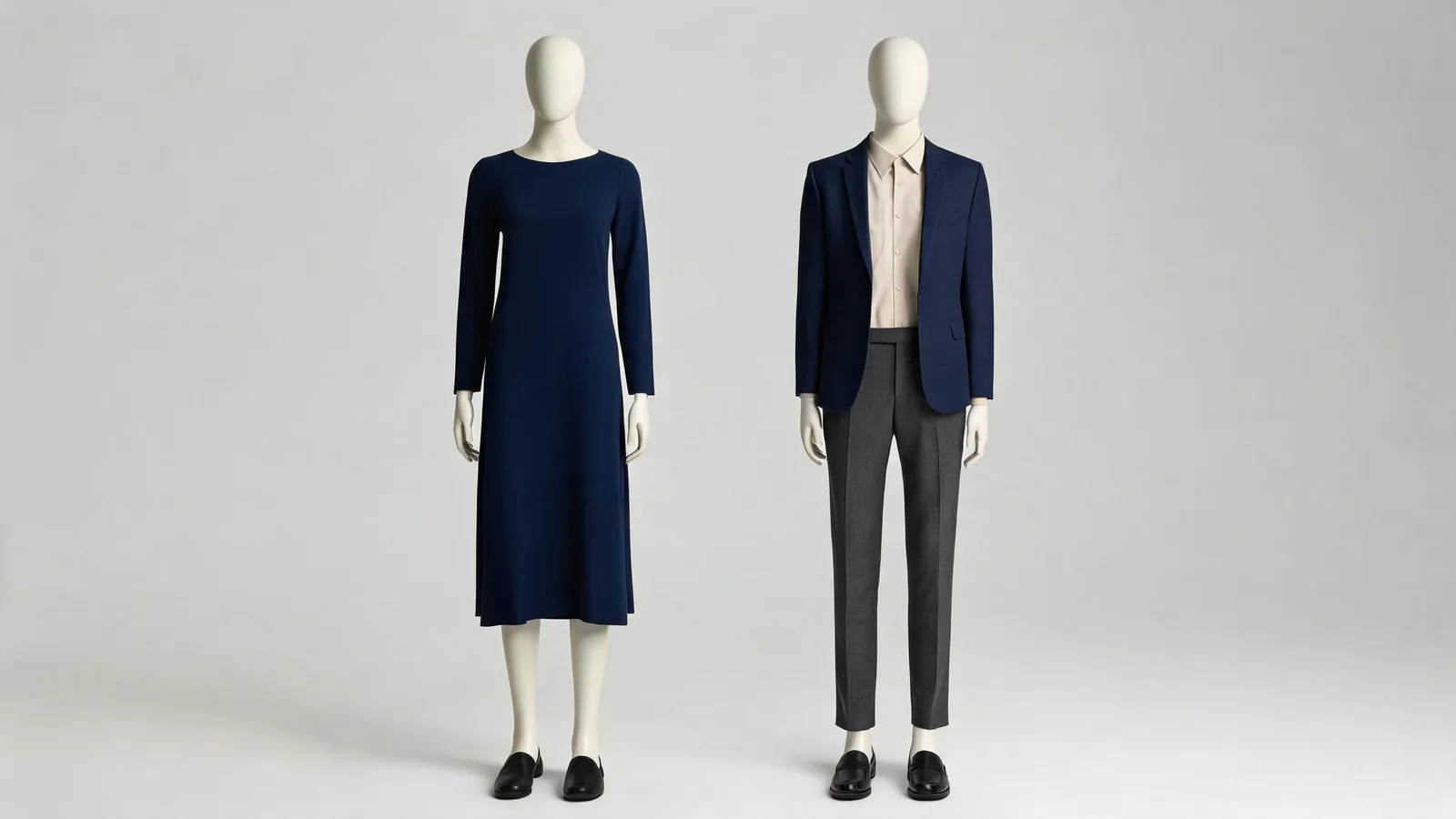 Illustrative outfit combinations: a simple dress and tailored separates offer two ways to dress quietly and comfortably.
What shoes and accessories should you choose?
Wear shoes you can walk and stand in. Clean flats, loafers, or other understated footwear can work with several outfits. High heels are optional; unfamiliar shoes are a poor choice if you expect to stand in a queue or move between buildings.
If supportive footwear is necessary for your mobility, build the outfit around it. Comfort and access needs matter more than creating a matching photograph. Check the venue and route for stairs, gravel, slippery paths, or a long walk from parking.
Choose a bag that holds essentials without needing to be balanced on your arm all evening. Keep accessories simple enough that they do not make noise or catch on other people's clothes. Strong fragrance can also be uncomfortable in a crowded room, so use it sparingly or skip it.
A useful last-minute accessory check is practical: tissues, keys, phone on silent, and any medication you need. A carefully coordinated bag is less important than arriving prepared.
What changes in hot, cold, or wet weather?
For warm weather, choose breathable clothes and a light removable layer. A plain shirt with comfortable trousers or an unrestrictive dress can be easier to wear than a heavy jacket. Check whether the venue is air-conditioned before leaving the layer at home.
For cold weather, put the outfit on with your coat before deciding. Make sure sleeves do not bunch up and that you can carry the coat if the room is warm. A quiet scarf or gloves can be useful if there is an outdoor wait.
In rain, prioritize shoes with secure footing and bring an umbrella. If the wake follows a burial or outdoor service, think about the whole day rather than only the indoor gathering. Leave enough time to travel without rushing in uncomfortable footwear.
Can an outfit preview help you decide?
An outfit preview can help when you are comparing a navy cardigan with a dark blazer, or deciding whether a light top looks too prominent in a combination. AIClothSwap's funeral outfit preview offers a related visual starting point. It does not know the family's instructions or the customs of the gathering.
Use your own adult photo and keep the comparison narrow. Describe clothes you actually own, rather than asking for an elaborate outfit you would have to buy. If color is the only uncertainty, the clothes color changer can help you explore a subdued alternative.
Then return to the physical clothes. Generated pictures cannot confirm fit, warmth, fabric opacity, walking comfort, or how a sleeve feels when you move. They may also alter details. A preview is optional; trying on the clothes in front of a mirror is enough to make the decision.
A short guide to wake etiquette
This video explains wake and visitation etiquette, including clothing choices.
What should you avoid when time is short?
Avoid spending the preparation time searching for a single supposedly correct outfit. Choose your best clean option, check the instructions, and give yourself time to arrive calmly. If you have limited wardrobe choices, a tidy familiar outfit is a sensible starting point.
Before leaving, check:
- The outfit follows any stated family request.
- Clothing is clean, fastened, and comfortable while seated.
- Shoes suit the route and the time you may spend standing.
- A layer is available if the weather or room changes.
- Large slogans or decorative details do not distract from the gathering.
- You know whether you are attending a visitation, a service, a reception, or several events.
Frequently asked questions
Can I wear jeans to a wake?
If the family has requested casual clothing, clean, plain jeans may be suitable. With no guidance, tailored trousers are a safer starting choice. Ask the organizer if denim is your only practical option or if the venue expectations are unclear.
Do I need a suit or tie for a wake?
A suit or tie may suit a formal service or family expectation, but neither is required for every wake. Start with neat clothes you own and check whether the gathering includes a ceremony with a more formal dress request.
Can I wear navy instead of black?
Navy is a useful subdued option in many Western mourning settings when no specific color has been requested. Follow the family's instructions and local customs if they call for something different.
What if the family asks everyone to wear bright colors?
Follow the request. Choose a comfortable outfit that includes the requested color and still suits the venue. You can use one item, such as a shirt or cardigan, unless the invitation asks for a fuller theme.
Related guides
For visual comparisons, explore funeral outfit ideas and virtual try-on. If you need help preparing a photo, read how to change clothes in a photo.
Choose an outfit and give yourself time
Use the checklist to choose a comfortable outfit from your wardrobe. If a visual comparison would help, try the AI clothes changer, then check the real clothes before leaving.