What to Wear to a 90s Party: Build a Look From Your Closet
Decide what to wear to a 90s party with closet-based outfit formulas, comfortable swaps, and a simple way to compare looks before buying extras.
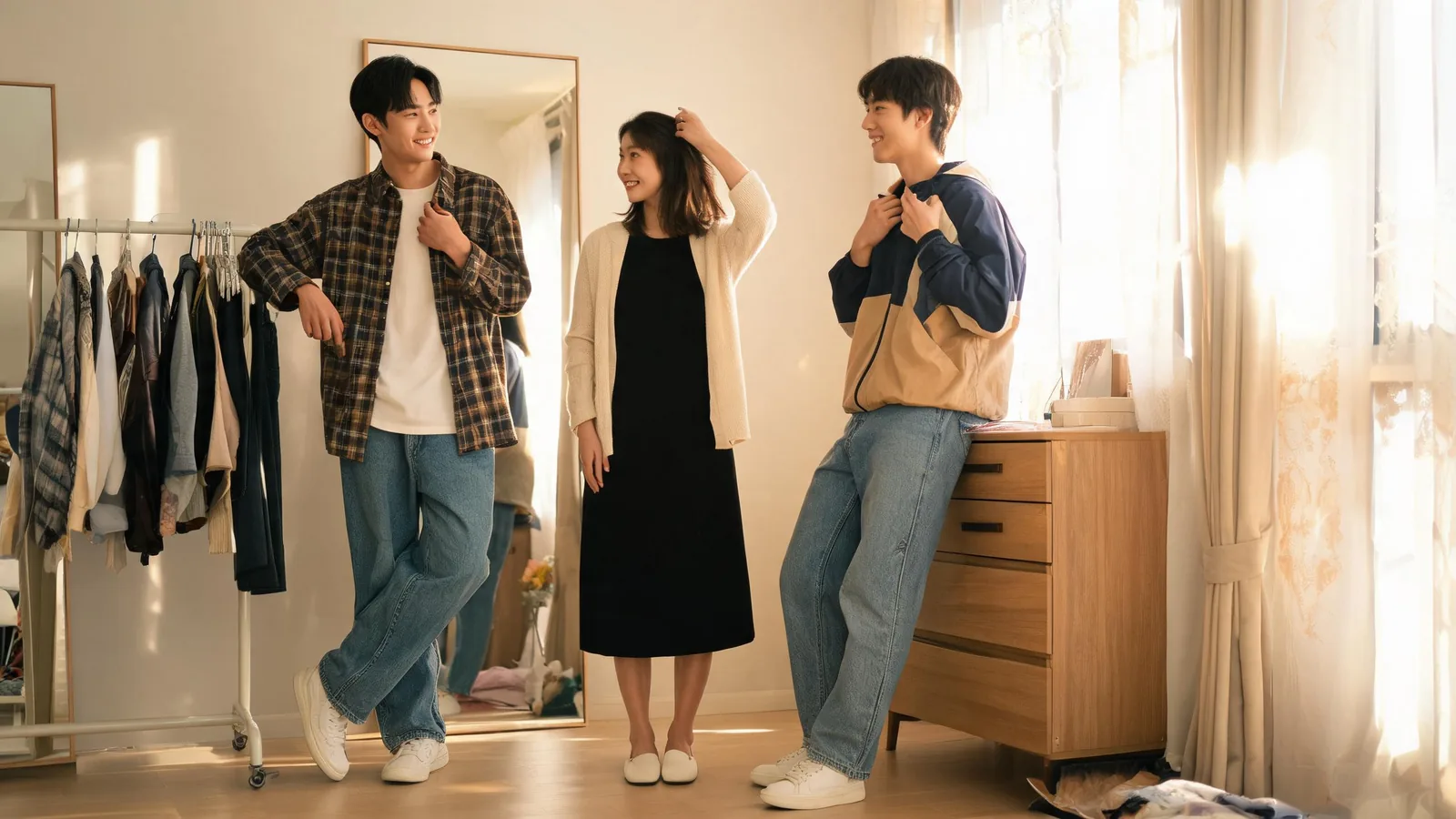
For a 90s party, pick one recognizable direction: plaid and relaxed jeans, a simple dress layered over a tee, or sporty separates with trainers. Build around clothes you already own, then add one clear accessory. If you want to compare silhouettes before buying extras, use the AI clothes changer for a visual preview.
Last updated: October 7, 2026 · ~8 min read
Which 90s style should you choose?
Start with the invitation. A general decade theme allows a wider interpretation than a party about a particular film, band, or television show. Ask the host whether they expect a character costume, casual clothes, or a dressed-up evening look. That answer can save you from buying the wrong finishing piece.
There was no single 1990s uniform. The Museum at FIT’s Reinvention & Restlessness exhibition describes contrasting directions, including grunge and minimalism. That variety makes it reasonable to choose a look that suits your wardrobe rather than combine every familiar decade reference.
Use the table to choose a starting point. These are practical outfit suggestions, not rules about what every person wore in the decade.
| Direction | Closet starting pieces | Detail that helps it read | Best choice when |
|---|---|---|---|
| Grunge-inspired casual | Plain tee, plaid shirt, relaxed jeans | Open overshirt and sturdy boots | You want easy layers and coverage |
| Minimalist evening | Simple black dress or straight trousers and a plain top | Restrained colors and small accessories | The venue expects a dressier outfit |
| Sporty casual | Track jacket or windbreaker, tee, jeans | One color-block layer and trainers | You will move or dance a lot |
| Denim and overalls | Denim overalls, fitted tee, trainers | The overall silhouette | You already own the main piece |
| Preppy separates | Cardigan, button-down, straight trousers or a checked skirt | A coordinated layer and neat shoes | You prefer a tidier look |
Choose the row that requires the fewest purchases. If you have the top, bottom, and shoes already, you have a workable outfit. Accessories should clarify that choice, not rescue three unrelated pieces.
How do you build a grunge-inspired outfit from your closet?
Try a white or dark plain tee, relaxed blue or black jeans, and an open plaid shirt. Add boots you can comfortably walk in. A denim jacket is a useful extra layer outdoors; indoors, the plaid shirt may be enough.
The point is the relationship between the layers. A loose overshirt over a simpler base reads more clearly than several competing prints. Keep the shirt open if you want the tee to remain visible. If it overwhelms your frame, roll the cuffs or choose a shorter overshirt rather than buying a new pair of trousers.
If you do not have boots, use plain trainers. If you do not have plaid, a worn-in denim overshirt can still make a coherent casual outfit, though it gives a less specific cue. You do not need to distress good jeans for one evening. Keep the hem clear of the floor and avoid accessories that catch on other people while dancing.
What is a dressier 90s party option?
Use a simple black midi dress, a plain cardigan, and comfortable ankle boots or low heels. If you prefer more coverage, layer the dress over a fitted tee and add opaque tights. Test the layers together: a bulky tee can bunch under a narrow dress, while a smoother base is easier to wear.
If you prefer trousers, try straight black trousers with a simple top and an uncluttered jacket. Keep the palette focused. The effect depends on the shape and restraint of the outfit more than on adding a large pile of novelty accessories.
Do a movement check before leaving. Sit down, lift your arms, and take a few steps in the shoes. If the dress twists around the tee or the cardigan keeps falling away, adjust the real garments. A good photograph cannot make an uncomfortable outfit easier to dance in.
How can you make a sporty or denim outfit work?
Start with a plain tee and relaxed or straight-leg jeans. Add a track jacket or color-block windbreaker if you have one. Wear trainers that are already comfortable. This is a useful formula for a casual venue because the jacket gives the theme a visible cue while the rest remains simple.
Overalls are another strong starting piece. Wear them over a tee and keep accessories small. Check the straps and buckles before the party; a strap that constantly slides down becomes irritating over a long evening. Use your existing overalls as they are rather than trying to make them look like a particular brand.
Treat reference images as ideas for proportion. You do not need to duplicate the model’s body, hair, or exact garment label. Compare the jacket length and trouser shape with pieces you own.
What if you want full coverage or a warmer outfit?
Choose the shape first, then adapt the layers. Long-sleeved tees, loose jeans, cardigans, overalls, and tracksuit separates all let you keep coverage without abandoning the theme. A skirt can be replaced with straight trousers while keeping a cardigan and shirt combination intact.
For cold weather, wear tights under a dress and bring a coat that works with the footwear. For a warm indoor venue, use a light overshirt that you can remove while preserving the basic outfit. Do not build the whole theme around a heavy jacket you will immediately take off.
If you use a mobility aid or need supportive shoes, begin with those practical requirements. Repeat a color from your footwear in the shirt or jacket to make it feel intentional. Comfort is part of a good outfit, and an evening theme does not require you to trade it away.
Avoid turning cultural identity into a costume. Borrow a garment combination or a silhouette, not someone’s accent, skin tone, or stereotypes. If you choose a performer or fictional character, identify the clothing details that make the reference recognizable and adapt them respectfully.
How do you compare two outfits before buying extras?
First, take mirror photos wearing the pieces you have. Use the same lighting and distance so you can compare proportions fairly. If you are considering an item you do not own, a virtual try-on can help you visualize its outline on a clear photo.
Keep the question specific: does the open plaid shirt look better than a cardigan, or does a midi dress work better than jeans for this venue? Comparing six outfits at once makes it harder to decide what actually matters.
- Lay out two complete formulas. Include top, bottom, outer layer, and shoes. Label any missing piece on your own checklist so a preview does not quietly turn into a shopping list.
- Use one clear person photo for both comparisons. Show enough of the body to judge the intended garments, with arms away from the torso and readable lighting. For a reference-based preview, use one clear outfit image rather than a busy collage.
- Compare only the decision you need to make. Judge color balance, layer lengths, and overall outline. Then try on the real pieces and check movement, temperature, and comfort.
An AI dress-up workflow can help explore the visual direction. Choose the experience according to the inputs you have: Free Preview uses an outfit reference without custom instructions; text-only outfit creation requires paid Studio Quality access. The AI outfit generator is a relevant starting point for a described look, but account access and credits still apply.
A focused description might be: “1990s-inspired casual party outfit: white tee, open red plaid overshirt, relaxed blue jeans, and plain black boots. Keep the original pose and background.” This is an outfit idea, not a promise that every seam or accessory will be reproduced.
The hero above is an illustrative style scene, not a record of a try-on result. Generated previews can alter faces, hands, clothing details, or proportions. Reject those changes if they distract from the comparison. A preview never confirms physical fit.
What should you buy, borrow, or skip?
Buy only after the complete outfit reveals a specific gap. If plain trainers already work, a themed pair of shoes may add little value. Borrow an overshirt or small bag if you will use it for one night. A basic item you will wear again is usually a more useful purchase than several disposable costume accessories.
Before leaving, check four things: the invitation’s dress expectations, the weather, comfortable movement, and a place to carry essentials. Keep your keys and phone secure. A tiny decorative bag that cannot hold either may be the wrong choice even if it looks right in a photo.
If you still cannot decide, use the simplest complete formula: tee, relaxed jeans, open plaid shirt, and comfortable shoes. It gives you a clear direction with fewer pieces to adjust. The party is easier to enjoy when the outfit feels settled before you arrive.
Frequently asked questions
What can I wear to a 90s party without buying anything?
Start with relaxed jeans, a plain T-shirt, an open plaid shirt, and trainers or boots. If you own a simple dress, layer it over a T-shirt and add a cardigan. Choose one direction and use the clothes you already have.
Are jeans and a T-shirt enough for a 90s party?
They can be. Make the combination read more clearly with an open overshirt, relaxed denim, and a familiar accessory such as a cap. Check whether the host expects everyday decade-inspired clothing or a specific character costume.
Can I wear a 90s outfit with full coverage?
Yes. Plaid shirts, loose jeans, overalls, long-sleeved tees, cardigans, and tracksuit separates offer covered options. A dress over a tee with opaque tights also works. You do not need a short hem or cropped top to communicate the theme.
Can an AI outfit preview tell me whether party clothes fit?
No. It can help compare colors, layers, and silhouettes on a photo. It cannot confirm garment size, comfort, stretch, or shoe fit. Try on the real clothes and check measurements before buying anything.
Related guides
- Try the free AI clothes changer →
- AI dress-up
- AI outfit generator
- Virtual try-on
- Preview a Halloween costume
Choose the outfit, then the finishing piece
Build the look from your closet first. If one missing item would change the decision, preview the outfit on your photo before shopping, then check the real fit before the party.