DressPlay AI Alternatives: Safer Outfit Preview Tools
A practical way to compare DressPlay AI alternatives for normal, fully clothed outfit previews—without confusing a visual edit with a real fitting result.
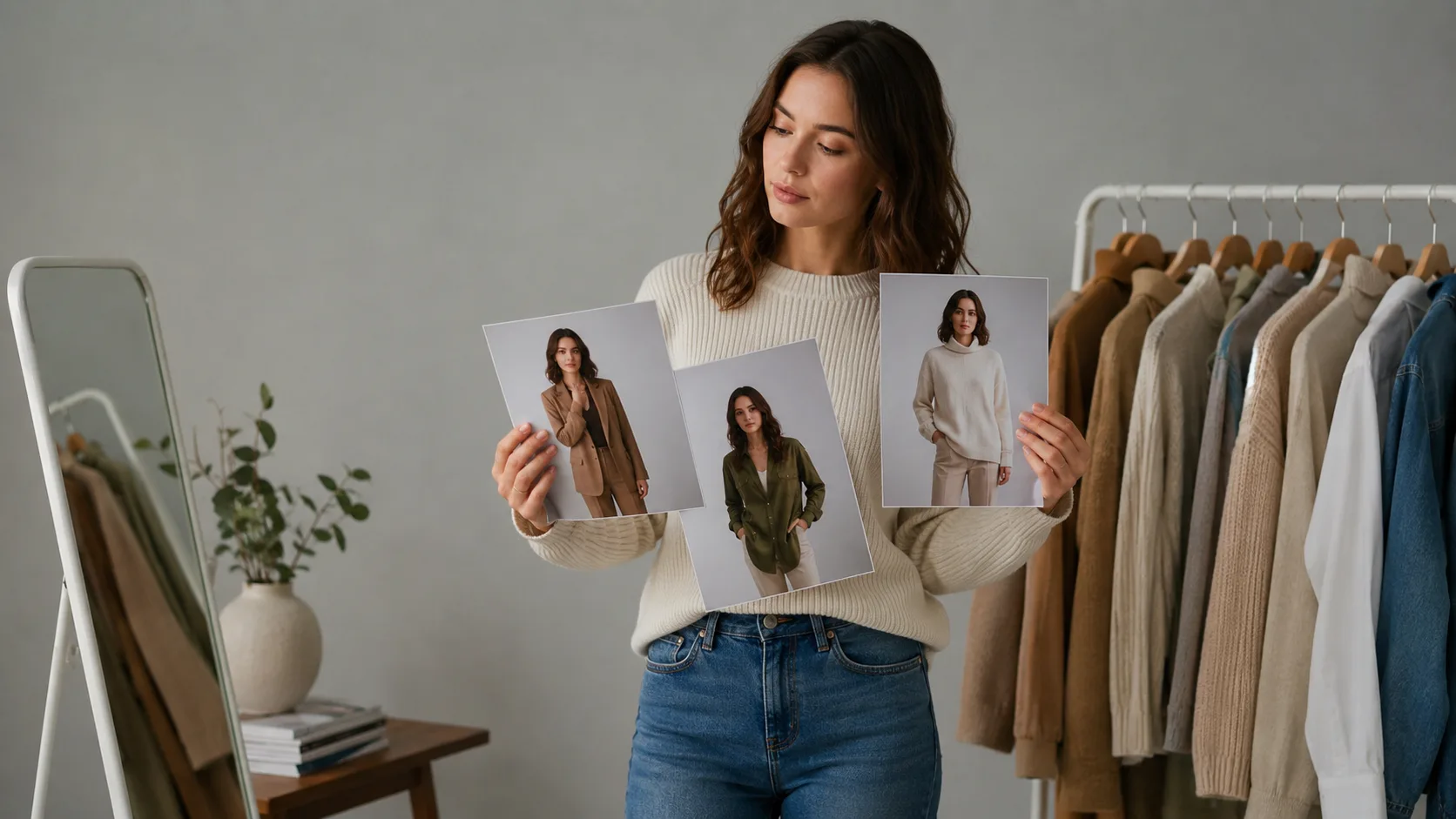
When looking for DressPlay AI alternatives, begin with the job you actually need: a normal, fully clothed outfit preview on a photo you are allowed to use. A good alternative should make its input, output, and safety boundaries clear—not promise a real-world fit or invite risky image edits.
Last updated: July 27, 2026 · about 5 min read
An AI clothes changer is useful for visual comparison: “Would a dark blazer read better in this photo?” or “Which neckline fits this event look?” It is not a sizing tool, a source of product facts, or permission to edit somebody else’s photo.
Compare the job, not the marketing label
“Virtual try-on,” “outfit swap,” and “AI dress up” are often used interchangeably. They can describe very different workflows. Use this short comparison before you upload anything.
| Your question | A sensible capability to look for | What it should not claim |
|---|---|---|
| Do I like this style on my photo? | Fully clothed photo outfit preview | Exact physical fit or comfort |
| Which color reads better? | Controlled garment recolor | Official product color accuracy |
| Can I compare a few directions? | Repeatable versions from one photo | A new face, body, or identity |
| Can I use this source? | Clear consent and upload controls | Rights to someone else’s image |
Look for four practical safeguards
First, use only photos you own or have permission to edit. Second, choose an alternative that keeps the task focused on normal clothing rather than sexualized or deceptive transformations. Third, check whether it preserves the useful parts of the source—face, pose, background, and framing—when you are trying to judge an outfit. Finally, read the current privacy and retention terms before using a sensitive portrait.
These safeguards are not decorative policy language. They determine whether a result can be shared with a stylist, used as a private mood board, or safely included in a normal creative review.
An AI clothes changer is a better fit when it keeps that review bounded to ordinary clothing, a permitted image, and a clear styling question.
Try a controlled outfit comparison
Make two or three versions from the same clear photo. Change one thing per version: jacket versus no jacket, dark versus light, or a relaxed versus formal silhouette. This is where an AI Dress Up preview is more useful than a random gallery of generated looks.
Avoid prompts that ask the system to alter a real person’s body, age, identity, or intimate appearance. Keep the clothing task specific and fully clothed. If a result changes too much of the source, it is no longer a trustworthy comparison.
In other words, use an AI clothes changer to compare an outfit direction—not to manufacture a different person or a claim about fit.
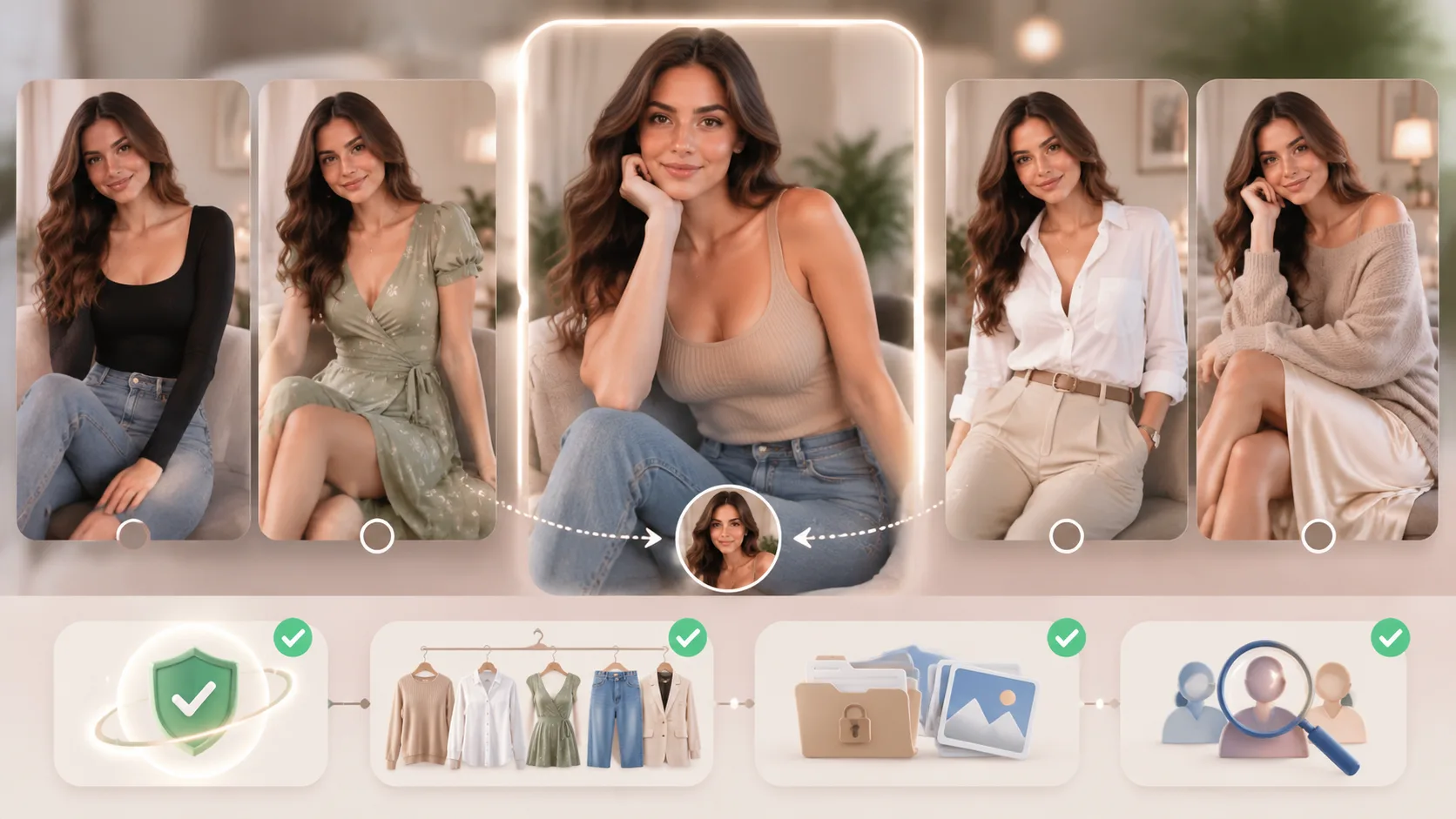
A safer comparison starts with the source and the scope of the edit.
Know the limits of any outfit preview
Even a realistic result is a visual concept. It cannot tell you whether a garment is in stock, how fabric will move, whether the size fits, or what the item looks like under different lighting. Use the original store information and return policy before buying.
For a fuller explanation of that distinction, read AI virtual try-on and how accurate AI clothes changers are. The right alternative is the one that helps you make a normal styling decision while keeping the image, the person, and the limits of the tool in view.